




The beauty of Easter holidays? They fall in autumn (or late summer in the north), which means manageable temperatures, fewer crowds than summer holidays, and that perfect sweet spot where kids are energised from the school year but not yet exhausted.
We've broken down the five best approaches to Easter holiday entertainment, from chocolate-themed workshops that honour the season to outdoor adventures that burn energy, multi day camps that engage minds, cultural experiences that don't feel like school, and yes, the old faithful screen-free fun that actually works.
Plus, we'll point you to SPARK POP's complete Easter collection covering metro and regional Australia — because even if you're travelling, Easter fun exists everywhere.
1. Lean Into the Season:
Easter holidays practically demand themed activities — and Australia delivers. From chocolate-making workshops where kids learn tempering techniques while creating Easter treats, to pottery classes crafting bunny-themed ceramics, Easter egg decorating sessions using natural dyes, and cooking classes making hot cross buns from scratch — these workshops combine skill-building with seasonal fun. The brilliance? Kids are engaged, learning actual techniques (measuring, following instructions, fine motor skills), and walking away with something they made themselves (even if half the chocolate mysteriously disappears before you get home).
What makes Easter workshops particularly valuable is how they transform the holiday from "just eating chocolate" into understanding where traditions come from and how things are made. A child who's hand-rolled truffles understands chocolate differently. One who's shaped dough into hot cross buns appreciates the process. These experiences also work brilliantly for mixed ages — younger kids focus on decoration and creativity, older children engage with technique and precision. Most workshops run 1.5-3 hours (perfect attention span length) and range from $25-75 depending on materials and expertise. Book early Easter workshops fill fast, especially the chocolate ones.
Check SPARK POP's Easter collection for chocolate workshops, pottery classes, cooking schools, and creative studios across Australia.
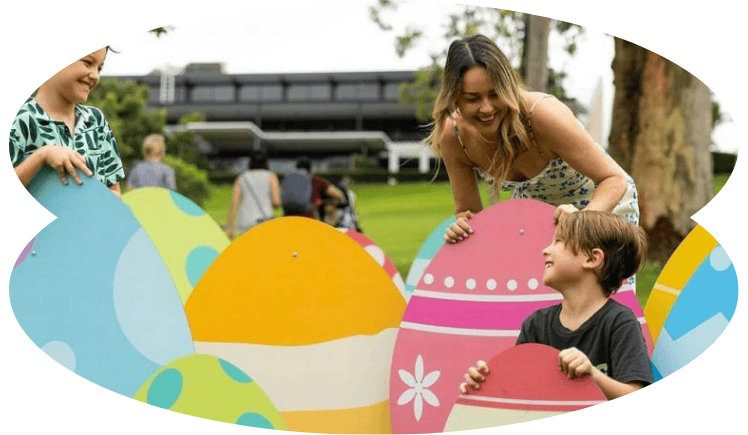
2. Get Outdoors:
Autumn weather makes Easter holidays ideal for outdoor adventures without the brutal heat of summer or unpredictable winter rain. This is when you book the experiences that actually exhaust them: rock climbing and high ropes courses, mountain biking trails, kayaking rivers, trampolining parks, adventure playgrounds with flying foxes and obstacle courses, wildlife encounters where they're walking and exploring (not sitting passively), and beach/bushwalking adventures that combine education with movement.
The strategy here is simple: physical activity = better behaviour, better sleep, and genuine satisfaction that comes from challenging their bodies. Kids who've spent three hours rock climbing or kayaking are too pleasantly exhausted to whine about screen time. Outdoor adventures also deliver benefits beyond energy-burning: confidence from conquering challenges, problem-solving under pressure, connection with nature, and often, genuine awe (watching dolphins while kayaking, spotting wildlife on bushwalks, reaching a summit after hiking). Most outdoor operators run special Easter holiday programs with extended hours or themed sessions. Book morning sessions before heat peaks, and always pack more water than you think you'll need.
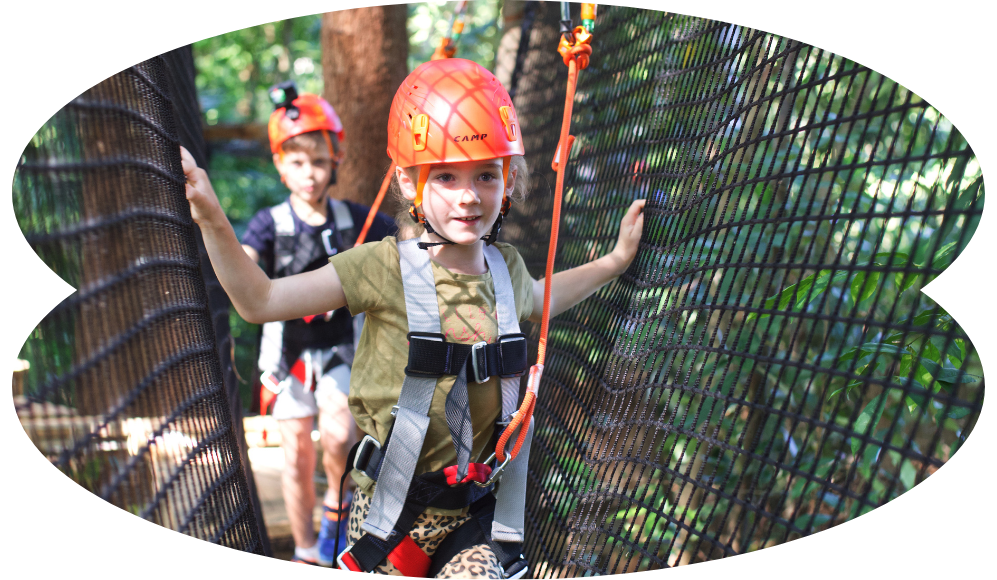
3. Drop & Go and Multi-Day Programs:
Let's be real: not every parent gets two weeks off for Easter holidays. Creative camps and multi-day programs solve the childcare challenge while actually enriching kids rather than just occupying them. Think art camps where kids spend 3-5 days on a single project (sculpture, painting, animation), drama and theatre programs culminating in performances, STEM camps building robots or coding games, sports clinics intensive-training specific skills (soccer, basketball, tennis), music camps, dance intensives, and maker spaces teaching woodworking, sewing, or engineering.
What separates great camps from glorified babysitting is the skill progression — kids aren't just doing random activities to fill time, they're working toward something. An art camp that ends with an exhibition. A drama program that performs for parents. A STEM camp where they take home a functioning robot. This gives the experience purpose beyond "keeping them busy." Most camps run 9am-3pm (working parent hours!) with before/after care options. Costs range wildly ($150-500+ per week depending on specialisation and materials), but consider it childcare + skill development + social connection combined. Many offer sibling discounts. Book immediately — quality camps fill months in advance, especially specialty programs.
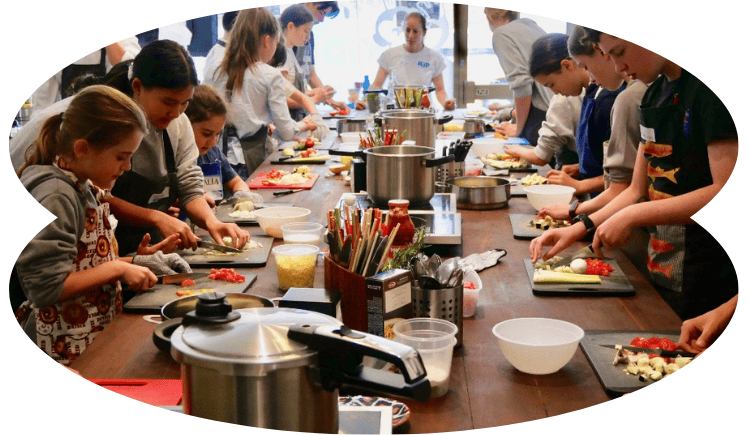
4. Cultural Experiences:
Easter holidays are when museums, galleries, and cultural institutions roll out their best family programming — and we're not talking about dusty exhibits with "don't touch" signs. Think interactive science shows, wildlife encounters with conservation educators, Indigenous cultural experiences teaching traditional skills, historical tours designed for families (ghost tours, crime tours, heritage walks), planetarium shows, behind-the-scenes zoo experiences, aquarium sleep-overs, and special exhibitions with hands-on elements. The best cultural experiences understand that kids learn through doing, not just looking.
What makes these worthwhile beyond "we did something educational" is how they create shared reference points for families. A child who's learned traditional weaving from Indigenous elders references that experience for years. One who's slept overnight at an aquarium watching sharks glide overhead has a core memory forever. These experiences also work brilliantly for mixed ages and multigenerational groups — grandparents genuinely enjoy guided museum tours and cultural walks, while kids stay engaged through interactive elements. Many institutions offer Easter-specific programming (Museum of Brisbane's Autumn holidays program is exceptional see our dedicated blog). Free or low-cost options exist (many museums have free general entry, charging only for special exhibitions), making cultural experiences budget-friendly compared to theme parks.
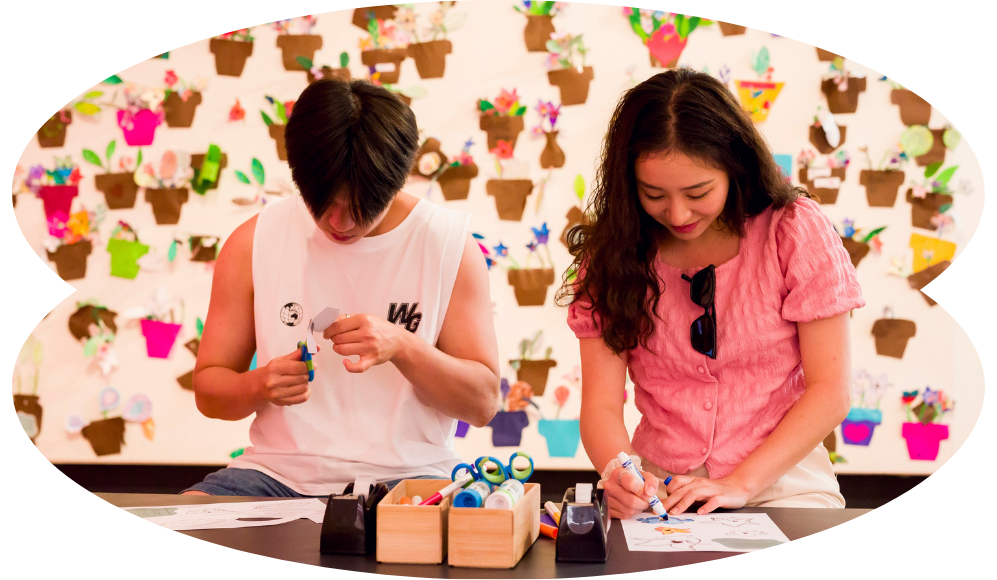
5. The Screen-Free Staples:
Not every day needs to be programmed. Some of the best Easter holiday memories come from unstructured time: organizing neighbourhood egg hunts (get the other families involved, rotate hosting), exploring new parks and playgrounds across your city, packing elaborate picnics and spending entire afternoons under trees, visiting free wildlife sanctuaries or botanic gardens, bike riding local trails, building epic sandcastles at the beach, or simply creating space for kids to play without adult direction. The low-pressure, no-cost days balance out the structured, expensive ones.
What makes these valuable isn't just budget-friendliness (though that helps), it's the psychological benefit of unstructured time. Kids need downtime to process experiences, play imaginatively, and simply be without performance pressure. The Easter weekend itself usually delivers this naturally with extended family gatherings, backyard egg hunts, hot cross bun breakfasts that stretch for hours, and the permission to do absolutely nothing productive. Extend that energy throughout the two weeks: designate at least 2-3 days as "no plans" days where the only goal is rest, play, and connection. Your kids (and your wallet) will thank you.
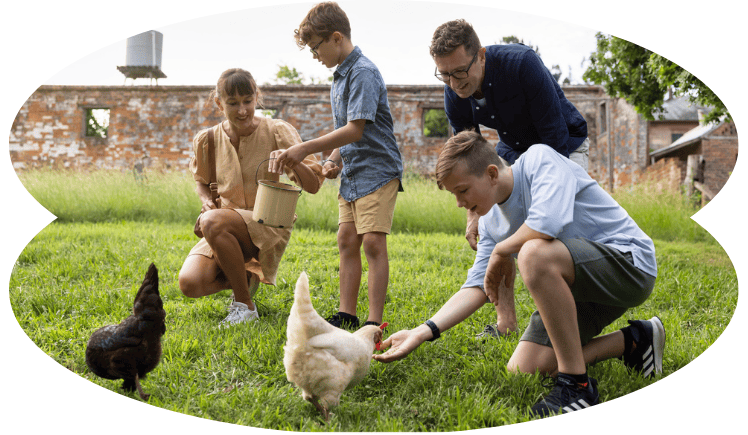
How to actually plan two weeks without losing your mind
Here's the reality: two weeks is a LONG time. You cannot program every day, and you shouldn't try. (Thanks Maggie) The families who actually enjoy Easter holidays use a mix-and-match approach:
Mix-and-match approach
Week 1 Approach:
- 2-3 structured activities (booked workshops, camps, or experiences)
- 2-3 active/outdoor days (burning energy, getting tired)
- 2-3 low-key days (parks, picnics, home play)
Week 2 Approach:
- 1-2 bigger experiences (full-day adventures, cultural outings)
- 1-2 recovery days (everyone's exhausted, embrace it)
- Leftover days (spontaneous decisions, friend playdates, whatever feels right)
Budget reality check:
- Workshops: $25-75 per child per session
- Multi-day camps: $150-500 per week
- Active adventures: $30-150 per person
- Cultural experiences: Free-$50 per family
- Screen-free staples: $0-20 (picnic supplies, ice cream)
Total realistic budget for two kids, two weeks: $300-800 depending on how many structured activities you book.
Your Easter guide awaits
SPARK POP's Easter School Holidays catalogue covers:
✅ Easter-themed workshops (chocolate, crafts, cooking)
✅ Active adventures (climbing, kayaking, high ropes, sports)
✅ Holiday programs & camps (art, STEM, drama, multi-day options)
✅ Cultural experiences (museums, tours, exhibitions)
✅ Wildlife encounters (zoos, sanctuaries, marine experiences)
✅ Creative sessions (pottery, painting, making)
✅ Live shows & performances (theatre, circus, outdoor events)
Filter by:
- Location (metro cities, regional areas, specific suburbs)
- Age group (toddlers, primary, tweens, teens)
- Category (active, creative, educational, themed)
- Budget (free, under $50, premium experiences)
- Duration (1-2 hours, half day, full day, multi-day)
Whether you're in Brisbane planning local activities, Melbourne families seeking cultural experiences, Perth parents needing outdoor adventures, or travelling through regional Australia and needing activities wherever you land — SPARK POP has you covered.
Happy Easter holidays. May your chocolate stash remain hidden, your kids sleep well after outdoor adventures, and your sanity mostly intact.
There's no "right" way to do Easter holidays. Some families thrive on packed schedules and daily adventures. Others need minimal plans and maximum downtime. Most of us land somewhere in the middle, a handful of special experiences punctuated by lots of ordinary days that somehow become extraordinary when you're not rushing.
The goal isn't perfect holidays. It's creating space for connection (even if that's just everyone silently eating hot cross buns together), trying new things (even if they flop), and giving kids memories that aren't just "we watched a lot of movies." Whether that's a chocolate-making workshop, a kayak adventure, a museum visit, or an epic backyard egg hunt — you're doing it right.
SPARK POP Easter Collection