




In this guide, we're sharing five actionable tips for families to embrace a more sustainable and cost-effective lifestyle. From reusing everyday items to choosing quality over quantity, these strategies offer a roadmap for treading lightly on the planet while keeping your budget happy. And the best part? Most of these changes actually make family life easier, not harder.
Let's dive into practical money-saving, planet-loving strategies that work for real families.
1. Reuse & Recycle
The principle: Before buying new, ask "Can we reuse what we already have, borrow, or swap?"
How families can apply this:
School Supplies — Instead of buying brand-new notebooks every term, encourage kids to finish existing ones or repurpose barely-used pages. Shop for refillable pens and pencil cases that last years, not terms.
Toy Libraries — Join a toy library or organize toy swaps with other families. Kids get "new" toys regularly without the clutter, cost, or environmental impact of constant purchasing. Bonus: they learn toys don't need to be owned to be enjoyed.
Clothing Rental/Hire — Special occasion outfits (school formals, weddings, themed parties) can be hired instead of bought. Kids outgrow formal wear after one wear anyway — why own it?
Party Supplies & Gift Wrapping — Invest in reusable party decorations, fabric gift bags, and eco-friendly wrapping options. One set of quality bunting lasts for years of birthdays, while single-use plastic decorations end up in landfill after one party.
💡 SPARK POP tip: Check out our experience gifts — they create memories without adding clutter, and nothing needs recycling when the gift is a day at the zoo or a cooking class!
2. Shop Renewed & Refurbished
The principle: Refurbished doesn't mean broken — it means tested, restored, and significantly cheaper.
How families can apply this:
Electronics & Laptops — Buy renewed or refurbished laptops and devices from reputable sellers. You'll save 30-50% compared to new, reduce e-waste, and get perfectly functional tech (often with warranties). Perfect for kids' first laptops or family tablets.
Furniture — Before buying new, check refurbished furniture stores or give old pieces new life through DIY projects. Sand and paint a second-hand bookshelf, reupholster op-shop chairs, or refinish a dining table — it's cheaper, creative, and keeps furniture out of landfill.
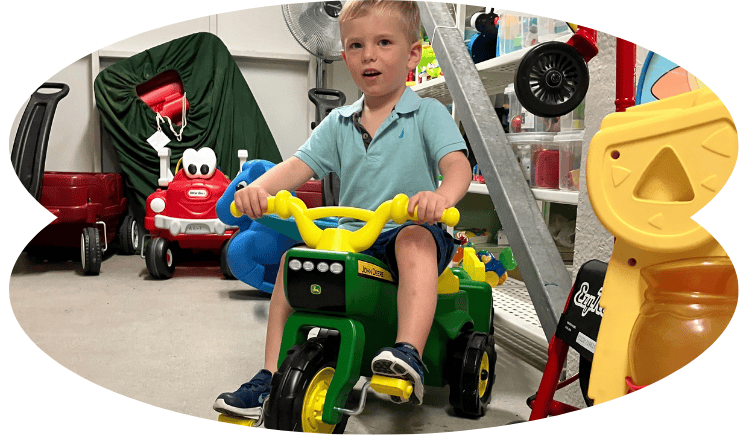
Sporting Equipment — Kids' sporting phases come and go (remember the two-week skateboarding obsession?). Buy second-hand equipment or refurbish existing gear. Bikes, scooters, tennis rackets, and cricket bats all have long lives if maintained properly.
💰 Real savings: A refurbished laptop can save $300-800. A second-hand bike saves $100-400. That's real money back in your family budget.
3. Embrace Circular Shopping
The principle: Keep children's goods circulating instead of buying new and discarding when outgrown.
How families can apply this:
Online Marketplaces — Use Facebook Marketplace, Gumtree, or specialized platforms to buy, sell, or trade children's items. Clothes, toys, books, baby gear — someone nearby needs exactly what your kids have outgrown.
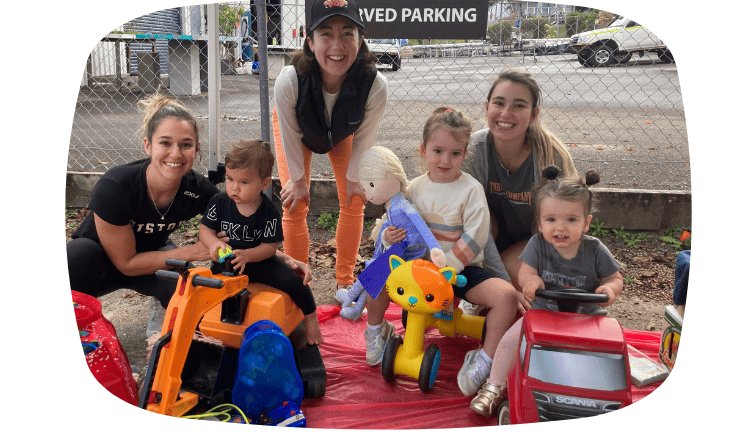
Local Markets — Attend events like Thrifter or My Kids Market where families buy, sell, and swap quality pre-loved children's goods. You'll find barely-used items at fraction-of-retail prices while offloading your own outgrown stuff.
Pre-Loved Games & Books — Check charity stores and pre-loved game sites for board games, puzzles, and books. Kids don't care if a jigsaw puzzle had a previous owner — they just want to build it.
Local Playgroups — Connect with other families through playgroups to exchange items, share recommendations, and build community. The social connection is as valuable as the sustainability.
💡 SPARK POP philosophy: This is the "experiences over stuff" mindset in action. Circulating goods means less consumption, less waste, and more resources for experiences that actually create memories.
4. Group Gift
The principle: One amazing experience beats ten plastic toys that break in a week.
How families can apply this:
Coordinate Group Gifts — For birthdays and holidays, encourage family and friends to contribute toward one meaningful gift instead of each buying something small. A LEGO set they've wanted for months, a bicycle, or a family experience becomes achievable when everyone chips in.
Gift Experiences Instead of Things — Consider gifting activities, gift cards for experiences, or adventure vouchers instead of material possessions. Memories last longer than toys, create zero clutter, and teach kids that joy comes from doing, not owning.
Stick to Budgets — Group gifting helps everyone stay within budget while still ensuring gifts bring genuine joy. $20 from four people creates an $80 experience — far more impactful than four separate $20 toys.
💡 SPARK POP insight: We've built our entire platform around this idea — experiences create lasting memories, strengthen family bonds, and leave zero waste behind. Explore experience gifts →
5. Choose Quality over Brand or Quantity
The principle: One quality item that lasts beats five cheap ones that break.
How families can apply this:
Prioritise Longevity — When purchasing clothing, furniture, or gear for your family, choose quality construction over trendy brands or rock-bottom prices. Well-made items withstand wear and tear, reducing the need for frequent replacements.
Investment Pieces — Spend more upfront on durable, timeless items: solid wood furniture, quality shoes, well-constructed backpacks, stainless steel water bottles. These pay for themselves over time by lasting years (sometimes decades) instead of months.
Can It Be Passed Down? — Before buying, ask "Will this last long enough to pass to younger siblings, cousins, or other families?" If not, reconsider whether it's worth buying at all.
💰 Real example: A $15 backpack might last one school year. A $60 quality backpack lasts five years and can be passed to a younger sibling. Total cost: $60 vs. $75+ (and far less waste).
Here's what these changes could mean for a typical family over one year:
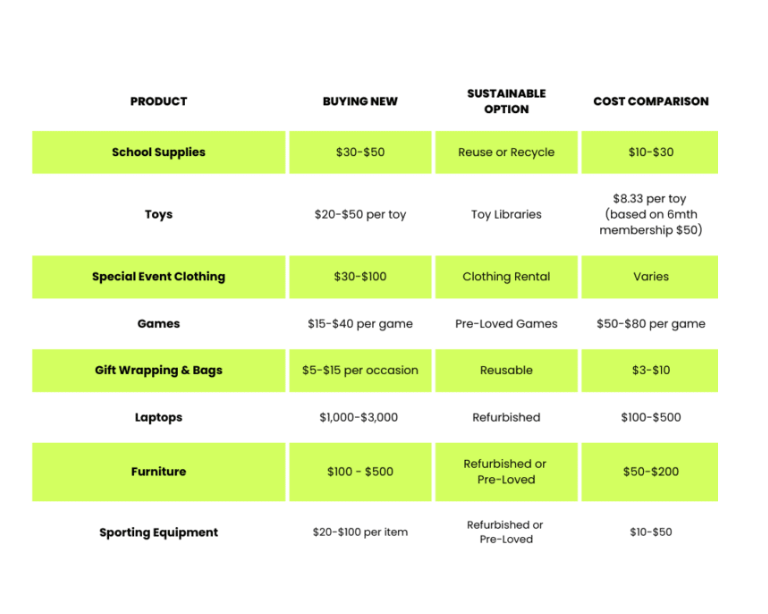
Total potential annual savings: $2,050+
That's a family holiday. A year of weekend experiences. Emergency savings. Or simply less financial stress — while also reducing your environmental footprint significantly.
The Bigger Picture
✨ Things don't define us — experiences, connections, and memories do
✨ Reusing is creative — not "making do" but being resourceful
✨ Quality matters more than quantity — one great thing beats ten mediocre ones
✨ The planet's health affects their future — small choices compound over time
✨ We can live well while consuming less — sustainability isn't deprivation, it's intention
These aren't lectures or guilt trips — they're lessons learned through everyday family choices. When kids see you choosing toy library swaps over new purchases, experience gifts over plastic clutter, and quality over cheap replacements, they internalize values that will shape their own adult choices.
Ready to Start?
You don't need to overhaul your entire life overnight. Start with one small change:
✅ Join a local toy library
✅ List one outgrown item on Facebook Marketplace
✅ Choose oneexperience gift for an upcoming birthday
✅ Swap one planned purchase for a refurbished or second-hand option
✅ Start a "reusable party supplies" box for future celebrations
Small changes compound. One sustainable choice this week becomes a habit next month and a lifestyle in a year.
By incorporating these money-saving and eco-friendly tips into your family's lifestyle, you make a positive impact on the environment while also saving money and fostering sustainable habits for future generations. Start small, stay consistent, and watch how these changes transform both your budget and your family's values.
Ready to embrace experiences over stuff? 💚Discover SPARK POP Experiences →
Sign up for our newsletter